About All Tours3 Days From Marrakech4 Days From Marrakech2 Days From Marrakech3-Day From Fes ToursFrom Marrakech ToursFrom Fes ToursQuad Biking Tours4x4 ToursCamel Trekking Tours Directions Hours & Fees
Find Tours 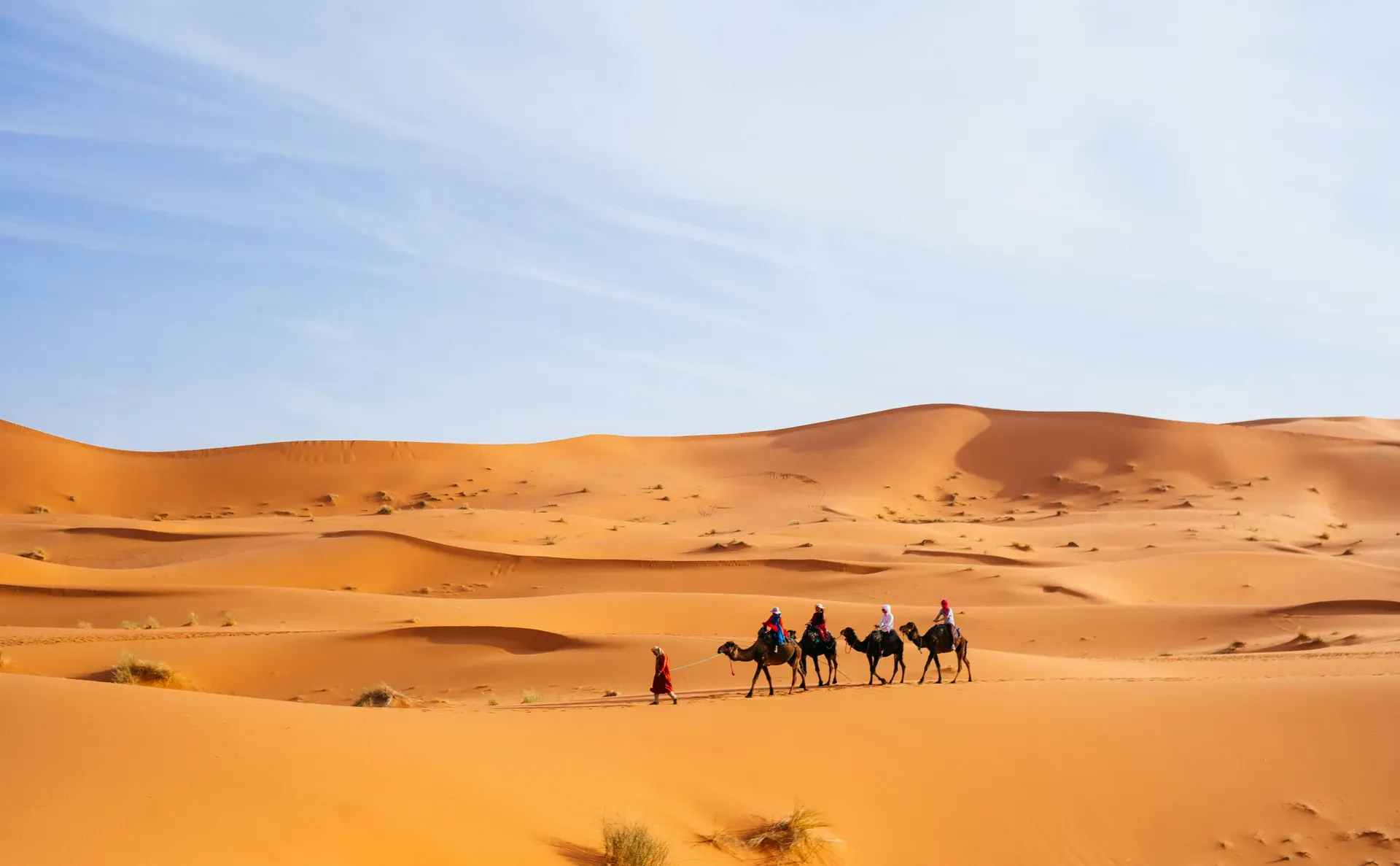
Explore the Sahara with excursions ranging from quick quad bike adventures to immersive three-day treks from Marrakech. Experience camel rides across the Erg Chebbi dunes, sandboarding, and overnight stays in traditional desert camps.
 Free Cancellation
 A three-day trip from Marrakech to the Merzouga desert, including the Atlas Mountains and camel riding in Erg Chebbi.
 Free Cancellation
 Ride camels into the Merzouga dunes for a sunset trek, overnight desert camping, and sunrise sandboarding.
 Free Cancellation
 Camel treks, traditional Berber music, and starry nights at a desert camp in the Moroccan Sahara.

Explore the Erg Chebbi dunes on a private quad bike tour featuring rally tracks and sunrise or sunset views.
 Free Cancellation
 Ride camels into the Erg Chebbi dunes for a sunset trek and an overnight stay with traditional Berber music.
 Free Cancellation
 A three-day trip from Marrakech to the Sahara, featuring Atlas Mountain crossings and overnight desert camping.
 Free Cancellation
 Ride camels through the Merzouga dunes to an overnight desert camp with traditional music and sunrise views.
 Free Cancellation
 Stay in a traditional 10-person desert camp hosted by a local Berber family with nomadic roots in Hassi Labied.
 Free Cancellation
 A 3-day trip from Marrakech to the Merzouga dunes, featuring the Atlas Mountains, Todra Gorges, and a camel trek.
 Free Cancellation
 Ride camels into the Erg Chebbi dunes for a night in a luxury camp with dinner, music, and sandboarding.
Read what travelers share about their experience visiting Merzouga Desert — from practical tips to personal highlights.
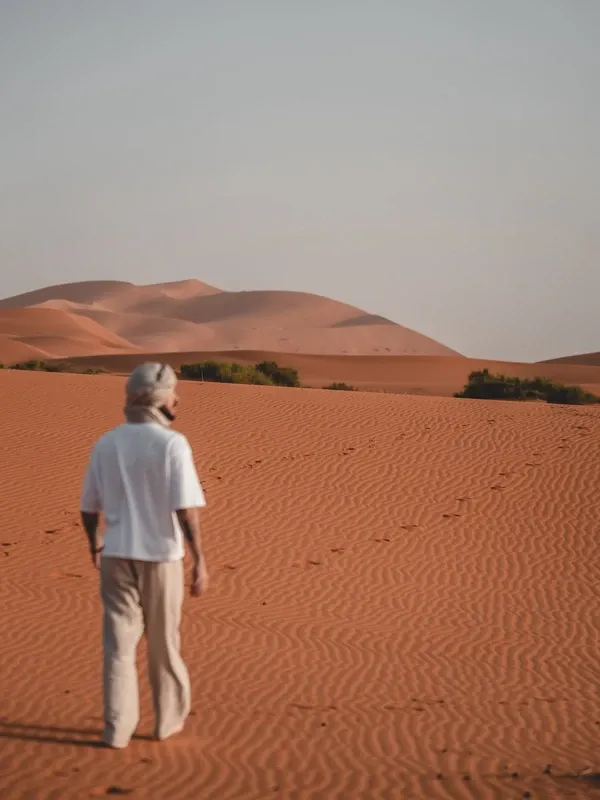
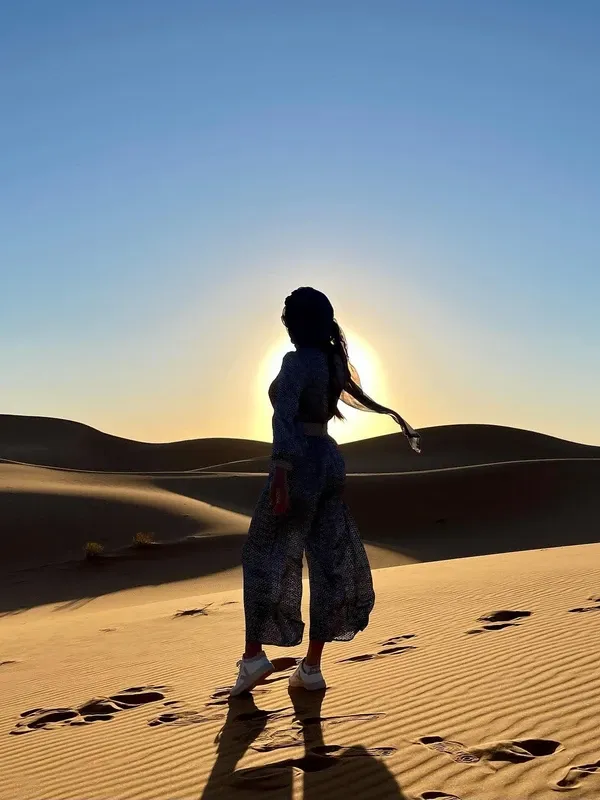
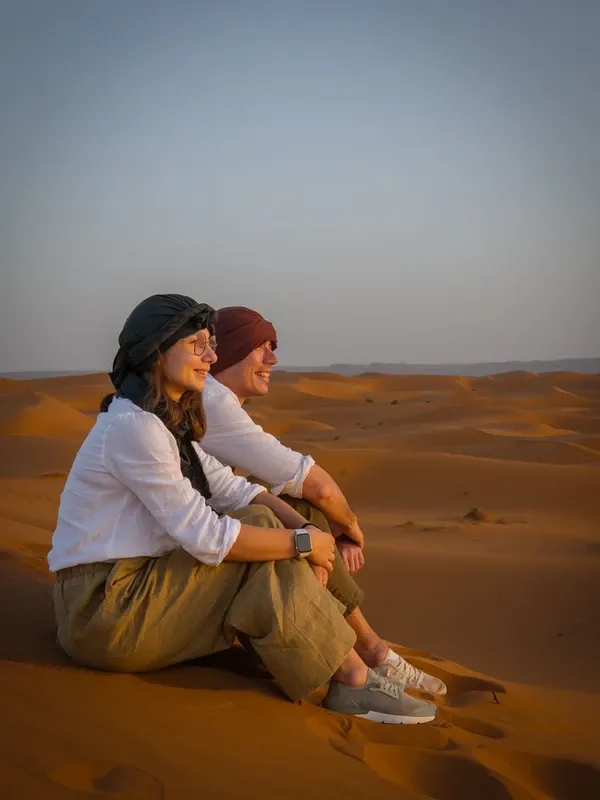
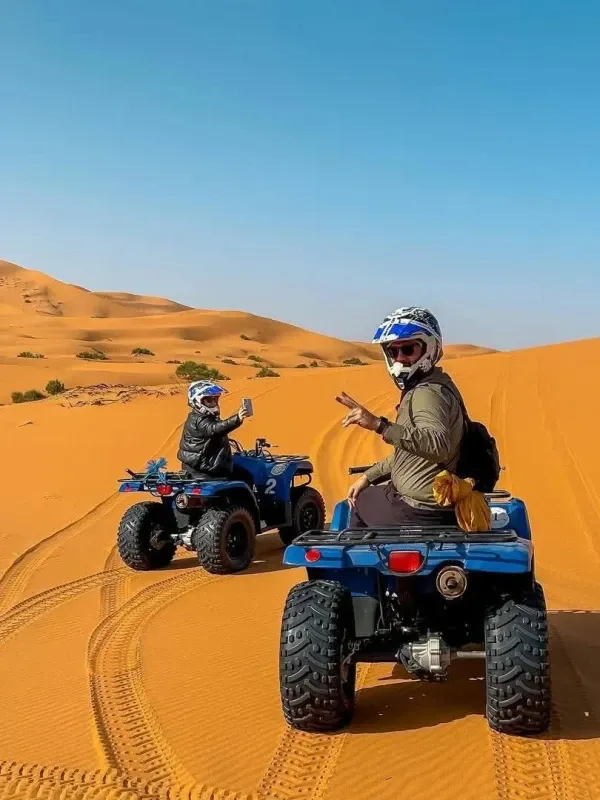
Merzouga is a small, remote village that serves as the ultimate gateway to the Moroccan Sahara. Tours here focus on the spectacular Erg Chebbi, a massive 22-kilometer stretch of towering, wind-blown sand dunes where you can experience traditional Berber hospitality and thrilling desert excursions.
Sleep under the Saharan stars in either a traditional Berber goat-hair tent or a luxury glamping setup with en-suite facilities.
Take a 1 to 2-hour guided camel ride deep into the dunes, timed perfectly to watch the sand shift from gold to deep red.
Grab a modified snowboard and slide down the steep faces of Erg Chebbi's massive dunes, some of which reach 150 meters high.
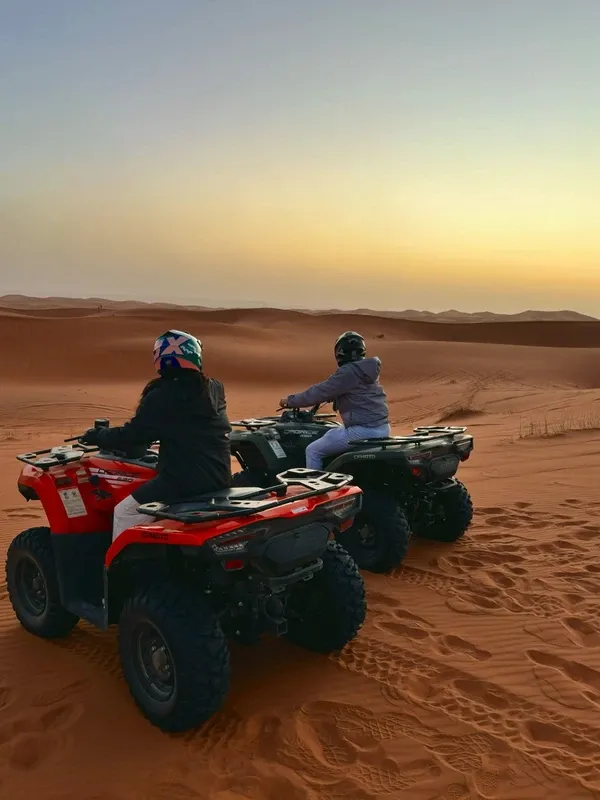
Circumnavigate the dune field in an off-road vehicle, driving along old Paris-Dakar rally tracks and visiting nomadic families.
Visit the nearby village of Khamlia to listen to traditional spiritual music performed by descendants of sub-Saharan Africans.
Take advantage of the near-zero light pollution in the deep desert to see the Milky Way clearly with the naked eye.
Planning a trip to the Sahara requires a bit of logistical foresight. From choosing how to get there to picking the right camp style, here is what you need to know before booking your Merzouga tour.
You can book multi-day tours (usually 3 days) that depart from Marrakech or Fes and include transport across the Atlas Mountains. Alternatively, if you have your own rental car or take the bus, you can book shorter 1-night or 2-night overnight camel treks starting directly in Merzouga.
Pay close attention to the camp type. Standard camps usually feature shared dry toilets and basic bedding. Luxury camps cost a bit more but provide spacious tents, private en-suite flushing toilets, hot showers, and fresh towels.
Merzouga is incredibly popular during peak travel seasons like Easter and New Year's Eve. If you are traveling during these times, book your desert camp at least 4 to 5 months in advance, as the best luxury tents sell out quickly.
Camel riding can be tough on the body and is not recommended for pregnant travelers or those with spinal injuries. If you have mobility concerns, look for tours that offer 4x4 transfers directly to the camp instead of camel treks.
Most overnight tours include dinner, breakfast, the camel trek, and your tent. Multi-day trips from Marrakech usually cover hotel pickups, AC transport, and a midway hotel stay in the Dades Valley. Lunches and guide tips are typically excluded.
Do not underestimate desert nights. If booking a tour between December and February, temperatures drop to near freezing (0°C–5°C) after sunset, so heavy jackets are required. Summer tours (June–August) are highly discouraged due to 50°C daytime heat.
Desert camps are surprisingly accommodating. Most operators can provide vegetarian, vegan, or gluten-free meals if you notify them at the time of booking.
The vast majority of overnight camps and multi-day transfers offer a full refund if canceled at least 24 hours before the scheduled departure. However, private quad biking tours often have strict all-sales-final policies.
Swipe to see more
| 3-Day Marrakech to Merzouga | Overnight Luxury Camp | Standard Camel Trek & Camp | Quad Bike Adventure | |
|---|---|---|---|---|
| Duration | 72 hours | 18-24 hours | 20-48 hours | 1 hour+ |
| Best for | First-time visitors needing round-trip transport | Couples & comfort seekers driving themselves | Budget travelers & backpackers | Adrenaline junkies |
| Includes | AC transport, 2 nights accommodation, camel ride, dinners & breakfasts | Private en-suite tent, camel trek, dinner, breakfast, sandboarding | Shared bathroom tent, camel ride, meals, campfire music | Private quad bike, guide, safety gear, sandboarding |
| Price from | ~$98 - $178 | ~$89 - $101 | ~$30 - $41 | ~$47 |
Swipe to see more
The Merzouga dunes and surrounding desert are completely open and accessible 24/7. There are no gates or official closing times for the natural landscape.
However, tour activities are heavily dictated by the sun. The vast majority of camel treks and 4x4 excursions are scheduled around sunrise (06:00) and sunset (18:00) to capture the best light and avoid the midday heat.
If you are visiting during the hotter months, it is highly advised to stay out of the dunes between 10:00 and 17:00 to avoid heatstroke.
Merzouga is remote, but getting there is straightforward if you plan ahead. The village is located about 35 kilometers from the Algerian border.
The optimal window to visit Merzouga is from October to April. During these months, daytime temperatures are mild and pleasant, ranging from 15°C to 25°C, making outdoor activities highly enjoyable.
Keep in mind that winter nights (December through February) get incredibly cold in the desert. Temperatures frequently drop to near freezing (0°C–5°C), so packing thermal layers and a heavy jacket is mandatory.
Avoid the summer: From June to August, temperatures regularly exceed 50°C (122°F). Entering the desert during the day in these months is genuinely dangerous. Additionally, be aware that March and April can bring heavy sandstorms that reduce visibility to zero.
Navigating the soft, shifting sands of Erg Chebbi in a standard wheelchair is essentially impossible. However, travelers with limited mobility can still experience the Sahara.
Many specialized tour operators offer 4x4 transfers directly to the desert camps, bypassing the physically demanding camel treks. Several luxury camps are equipped with wooden walkways, ramps, and accessible ground-floor facilities.
For elderly visitors or those with balance issues, walking on the dunes is not recommended. Furthermore, camel riding is actively discouraged for pregnant travelers and individuals with spinal injuries or poor cardiovascular health.
Facilities vary wildly depending on how much you pay for your camp. Standard camps usually feature shared dry toilets and communal washing areas.
Luxury camps (often called glamping) are fully equipped with private en-suite flushing toilets, hot running showers, and fresh towels.
Electricity is limited in the deep dunes. Most camps rely on solar power, meaning charging outlets are scarce. Always bring a fully charged power bank. While hotels in Merzouga village have reliable Wi-Fi, internet access in the desert camps is spotty at best.
Cash is king: There are very few ATMs in Merzouga, and many local operators do not accept credit cards. Bring plenty of Moroccan Dirhams.
Morocco is a conservative country, and Merzouga is a traditional Berber village. Modest clothing is expected; both men and women should keep shoulders and knees covered when walking through the town.
Yes, Merzouga is very safe for solo travelers. The village has a low crime rate (rated 8/10 for safety) and the local economy relies heavily on tourism, making residents very welcoming and protective of visitors.
Absolutely. You can take a direct Supratours bus from Marrakech to Merzouga village. Once there, you can easily book a local overnight camp or hotel on your own without needing a massive tour package.
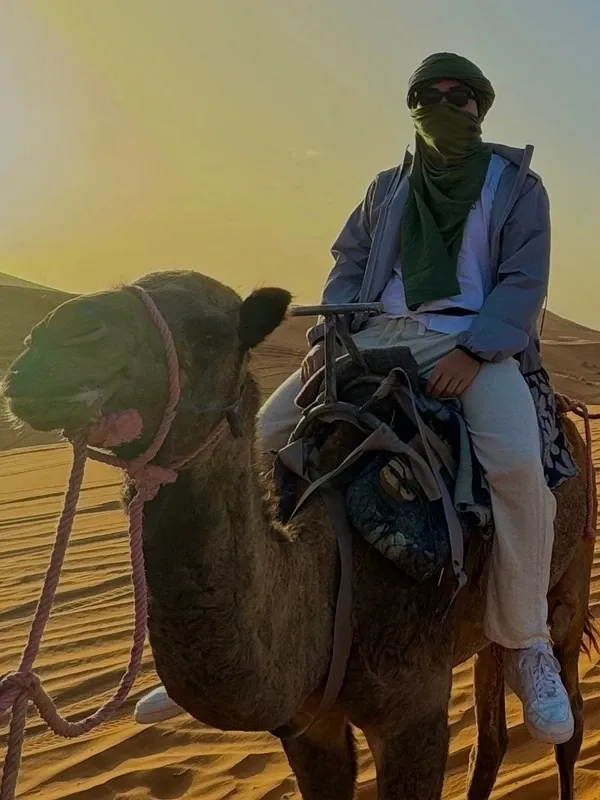
Wear long trousers to prevent severe chafing from the camel's coarse hair and saddle. You should also buy a traditional cotton turban (shesh) in town to protect your face and neck from the intense sun and wind-blown sand.
It depends on the camp you book. Standard budget camps use shared dry toilets. If you book a luxury camp, you will have a private tent with an en-suite flushing toilet and a hot shower.
No. Drones are strictly illegal for tourists in Morocco. If you bring one, it will be confiscated at the airport customs or border checkpoints before you even reach the desert.
Yes, desert wildlife exists, but tourists rarely see them. They are mostly active during the extreme heat of summer and actively avoid the noise and vibrations of the tourist camps.
The distance is about 560 kilometers. Because the route crosses the winding passes of the High Atlas Mountains, it takes 9 to 10 hours by private car or about 12 hours on the bus.
Hotels in the main village have reliable Wi-Fi. Many luxury camps in the dunes also offer Wi-Fi, but the signal is often spotty. It is best to treat the desert as an off-grid experience.
While possible, it is highly discouraged. Between June and August, temperatures can exceed 50°C (122°F). Daytime activities in the dunes become dangerous due to the high risk of heatstroke.
Yes. Merzouga's remote location means there is virtually no light pollution. On moonless nights, the Milky Way is incredibly clear and visible to the naked eye.
Browse verified tours with free cancellation and instant confirmation.
Find Tours


This three-day trip departs from Marrakech and travels through the High Atlas Mountains toward the Sahara. Along the way, you will visit the fortified village of Ait Ben Haddou, a historic site famous for its preserved clay architecture and traditional Moroccan design. Upon reaching Merzouga, the journey continues into the Erg Chebbi dunes. You will ride camels across the sand to explore the desert landscape first-hand. The itinerary focuses on the transition from the mountain passes to the open dunes, providing a direct look at the region’s geography before the return trip to Marrakech.
For a full refund, cancel at least 24 hours before the scheduled departure time.
English, Spanish


This overnight trek starts with a pick-up from your hotel in Merzouga. You will head into the Erg Chebbi dunes on camelback, timed to catch the sunset over the desert landscape. The ride leads to a private desert camp where you will stay in a traditional nomad-style tent and experience local Berber hospitality. The following morning, you can wake up early to watch the sunrise over the dunes before eating breakfast at the camp. There is also an opportunity to try sandboarding on the slopes of the Sahara. Your guide handles the logistics and transport throughout the trip, ensuring a smooth transition from the town to the heart of the dunes.
For a full refund, cancel at least 24 hours before the scheduled departure time.
English, French, Spanish


Located in the Sahara of Southern Morocco, our camp offers a direct experience of the desert landscape. Guests can take camel rides through the dunes to watch the sunrise and sunset, followed by evenings spent around a campfire listening to traditional Berber music under the stars. We host solo travelers and groups of all ages, with a focus on guest safety throughout the stay. The kitchen provides various meal options, including prepared dishes for vegetarian and vegan diets. If you have specific questions about the facilities or travel arrangements, please contact us directly.
For a full refund, cancel at least 24 hours before the scheduled departure time.
Arabic, English, French, Spanish


This private excursion takes you into the heart of the Sahara's Erg Chebbi dunes on an automatic quad bike. After being picked up from your Merzouga hotel, you will follow a private guide across the desert landscape. The route includes sections of the original Paris-Dakar rally tracks and stretches of open sand, allowing you to experience the terrain at your own pace. Along the way, you will stop at a small palm-filled oasis to rest and photograph the surroundings. You can choose from several departure times throughout the day, including options to watch the sunrise or sunset from the top of the dunes. The tour includes round-trip transfers and a personalized itinerary tailored to your riding experience.
All sales are final. No refund is available for cancellations.
English, Italian, French, Spanish


This overnight trip into the Merzouga desert begins with a camel trek across the Erg Chebbi dunes. You will head into the high sands to watch the sunset before arriving at a traditional desert camp for the night. The evening includes a meal and a performance of Berber music around the campfire. It is a straightforward way to experience the quiet of the Sahara and local hospitality. For inquiries or to book, contact us at +2126.78.37.51.39.
For a full refund, cancel at least 24 hours before the scheduled departure time.
English, Spanish


This three-day excursion leaves Marrakech to cross the High Atlas Mountains, stopping to visit historic Kasbahs and rural villages. You will see the changing landscape firsthand and learn about the region's traditional architecture before reaching the edge of the desert. Once at the dunes, you will trade the vehicle for a camel to reach a traditional Berber camp. The itinerary includes a trek timed for the sunset and an overnight stay in a desert tent. On the final morning, you will head out on camels at sunrise before starting the drive back. The journey concludes with a return to Marrakech on the afternoon of the third day.
For a full refund, cancel at least 24 hours before the scheduled departure time.
English, French, Spanish


This desert trek departs daily from Merzouga in the evening, taking you by camel deep into the Sahara sand dunes. You will arrive at the camp in time to watch the sunset before spending the night under the stars. The journey is designed to provide a genuine glimpse into nomadic life in the desert. At the camp, we offer both standard and luxury tent options to suit your preference. The experience includes a traditional dinner, Berber music around the campfire, and a clear view of the night sky. The following morning, you can watch the sunrise over the dunes before trekking back to the village. While the standard trip is an overnight stay, we can accommodate guests who wish to spend two nights in the desert. If you are interested in an extended stay, please contact us directly to make those arrangements.
For a full refund, cancel at least 24 hours before the scheduled departure time.
English, Spanish


We are a local Berber family from Hassi Labied who spent much of our lives living as nomads in the Sahara. Today, we have converted our traditional tents into a small desert camp where you can experience the Berber way of life firsthand. Because we grew up in the dunes, we have many stories to share about our heritage and the history of nomadic culture. Our camp is intentionally small, with a maximum capacity of 10 people, to ensure the atmosphere stays quiet and personal for every guest.
For a full refund, cancel at least 24 hours before the scheduled departure time.
English, French, Spanish


This three-day tour travels from Marrakech across the High Atlas Mountains via the Tizi n'Tichka pass. The route includes a stop at the fortified village of Kasbah Ait Ben Haddou and Ouarzazate before continuing through the Rose Valley and Dades Valley. You will also visit the Todra Gorges and the Tinghir oasis to see the high limestone cliffs and palm groves. Once in Merzouga, you will take a camel trek into the Erg Chebbi dunes to watch the sunset. The night is spent at a Berber desert camp in a traditional tent. After watching the sunrise over the dunes the next morning, the tour makes its way back across the mountains to Marrakech.
For a full refund, cancel at least 24 hours before the scheduled departure time.
English, French, Spanish


Begin your desert stay with a one-hour camel trek from Merzouga into the Erg Chebbi dunes. You will reach the luxury camp just before sunset, with time to try sandboarding or take photos of the landscape. The camp provides spacious tents featuring private toilets and showers, along with fresh towels and high-speed WiFi. In the evening, a traditional dinner is served followed by live Sahara music under the stars. Bottled water and tea are provided for all guests. After watching the sunrise and eating breakfast the next morning, you can choose to head back to the meeting point via a camel ride or a 4x4 Jeep. The tour includes secure parking for your vehicle and a desert scarf for each person.
For a full refund, cancel at least 24 hours before the scheduled departure time.
Arabic, Portuguese, English, Italian, French, Spanish